

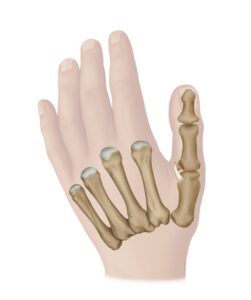
Sports injuries of the hand and wrist
Sports Injuries of the Hand & Wrist
Common Patient Questions:
- I hurt my wrist in a fall—how do I know if it’s serious?
- When can I return to climbing/golf/tennis after wrist surgery?
- How do you treat torn ligaments in athletes?
- What exercises help with wrist strengthening post-injury?
I Hurt My Wrist in a Fall—How Do I Know if It’s Serious?
Understanding Sports Injuries of the Hand & Wrist
By David Bodansky, Consultant Hand & Wrist Surgeon
Hand and wrist injuries are among the most common problems in sport—whether it’s a climber landing awkwardly, a golfer hitting the turf, or a tennis player with pain after repeated serves. While many sprains and knocks heal with rest, others require more attention to avoid long-term damage.
Here’s how I help athletes—from weekend warriors to competitive professionals—understand, recover from, and return stronger after hand and wrist injuries.
I hurt my wrist in a fall—how do I know if it’s serious?
Wrist injuries after a fall can range from simple sprains to fractures or ligament tears. Warning signs it could be more serious include:
- Persistent pain beyond a few days
- Swelling or bruising, especially with reduced motion
- A feeling of instability or “clunking” when moving the wrist
- Inability to bear weight, grip, or push off the hand
If you’re unsure, it’s always safest to get a proper diagnosis. Scaphoid fractures, TFCC tears, or carpal ligament injuries can be subtle but may lead to long-term issues if missed.
When can I return to climbing/golf/tennis after wrist surgery?
Return to sport depends on:
- The type of injury and surgery
- Your healing progress
- The demands of your sport
As a general guide:
- Minor procedures (e.g., ganglion removal): return in 2–4 weeks
- TFCC repair or ligament reconstruction: 3–6 months
- Wrist fractures with surgical fixation: around 3 months for non-contact sports
- High-impact or grip-heavy sports (like climbing): up to 6 months or more
I create a personalised return-to-play timeline for each athlete in collaboration with hand therapists to rebuild strength and prevent re-injury.
How do you treat torn ligaments in athletes?
Ligament injuries—especially to structures like the scapholunate ligament, TFCC, or ulnar collateral ligament of the thumb—can significantly affect performance and stability.
Treatment depends on severity:
- Mild sprains: rest, bracing, and physiotherapy
- Partial tears: may need injection therapy or advanced splinting
- Complete tears: often require surgical repair or reconstruction, followed by structured rehabilitation
Modern surgical techniques aim to restore stability while preserving movement—critical for return to sport.
What exercises help with wrist strengthening post-injury?
Rehabilitation is as important as the surgery itself. A tailored programme may include:
Early Phase (0–6 weeks)
- Protected motion with gentle tendon gliding
- Isometric grip and forearm muscle activation
Mid Phase (6–12 weeks)
- Wrist curls, extension, and rotation with light resistance
- Proprioception and stability work (e.g., wobble board or ball-on-wall drills)
Late Phase (3+ months)
- Plyometric or sport-specific drills
- Functional grip strength exercises (e.g., kettlebell carries, rope pulls)
Your hand therapist will guide you through each phase, adjusting based on healing and sport.
When to Get It Checked
If pain or weakness is stopping you from training—or you’re not recovering as expected after an injury—don’t wait it out. Identifying and treating wrist injuries early helps you return stronger, not just sooner.
Injured during sport or worried about your wrist’s recovery?
At davidbodansky.com, I offer expert evaluation and surgical care for sports injuries of the hand and wrist, with tailored return-to-play protocols designed to get you back to peak performance—safely and confidently.